hunan cuisine
Boston
At a glance
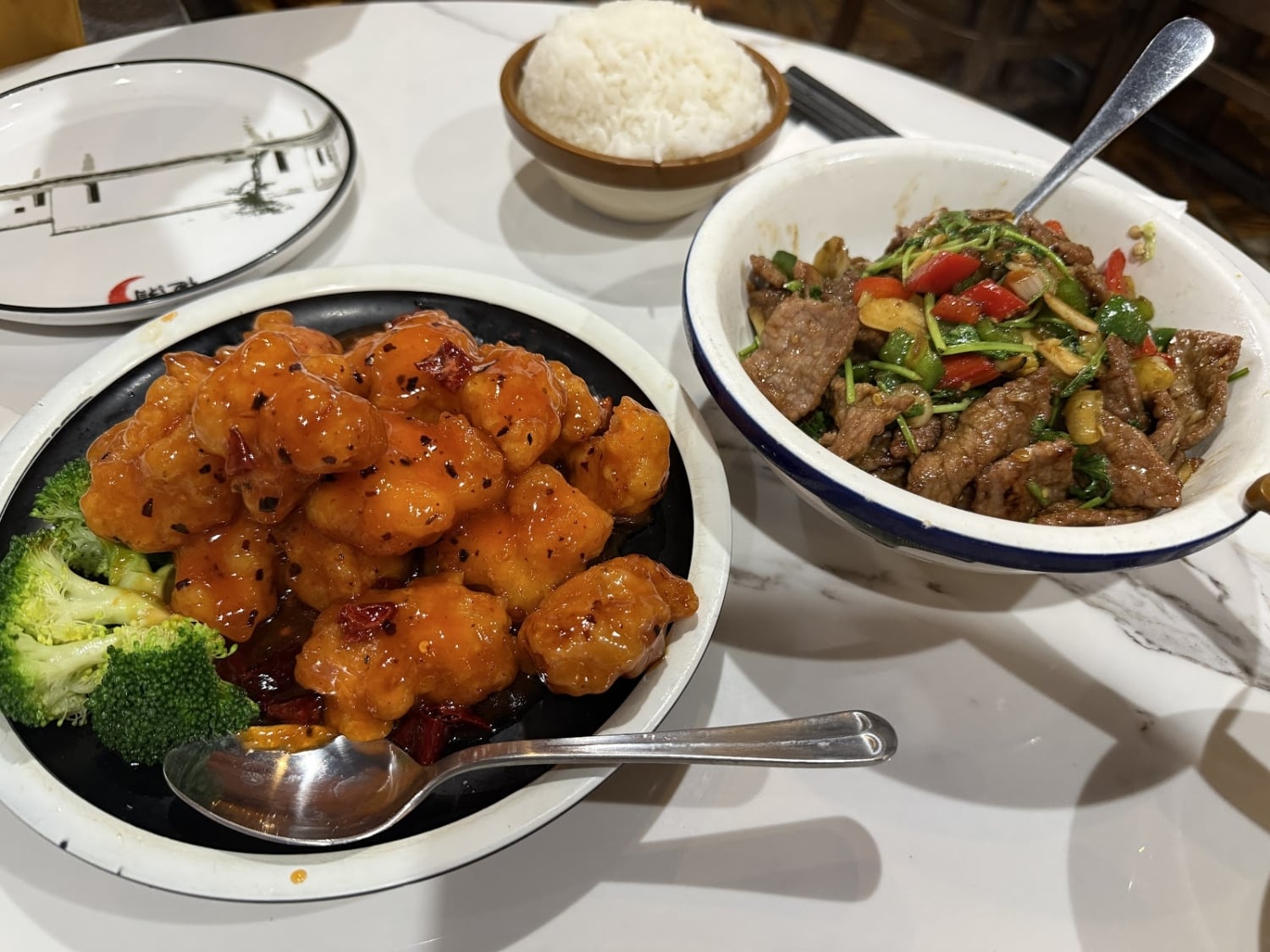
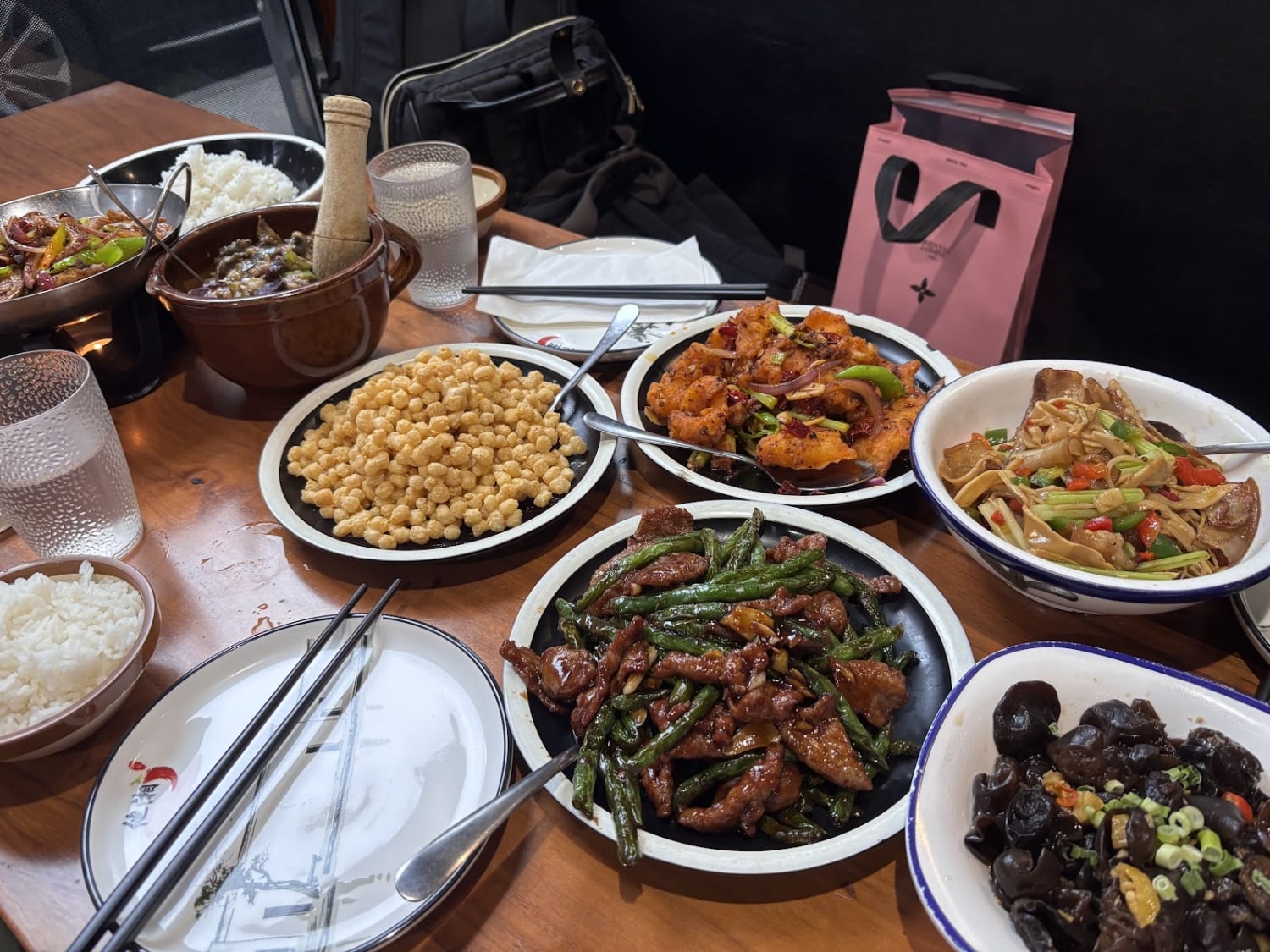
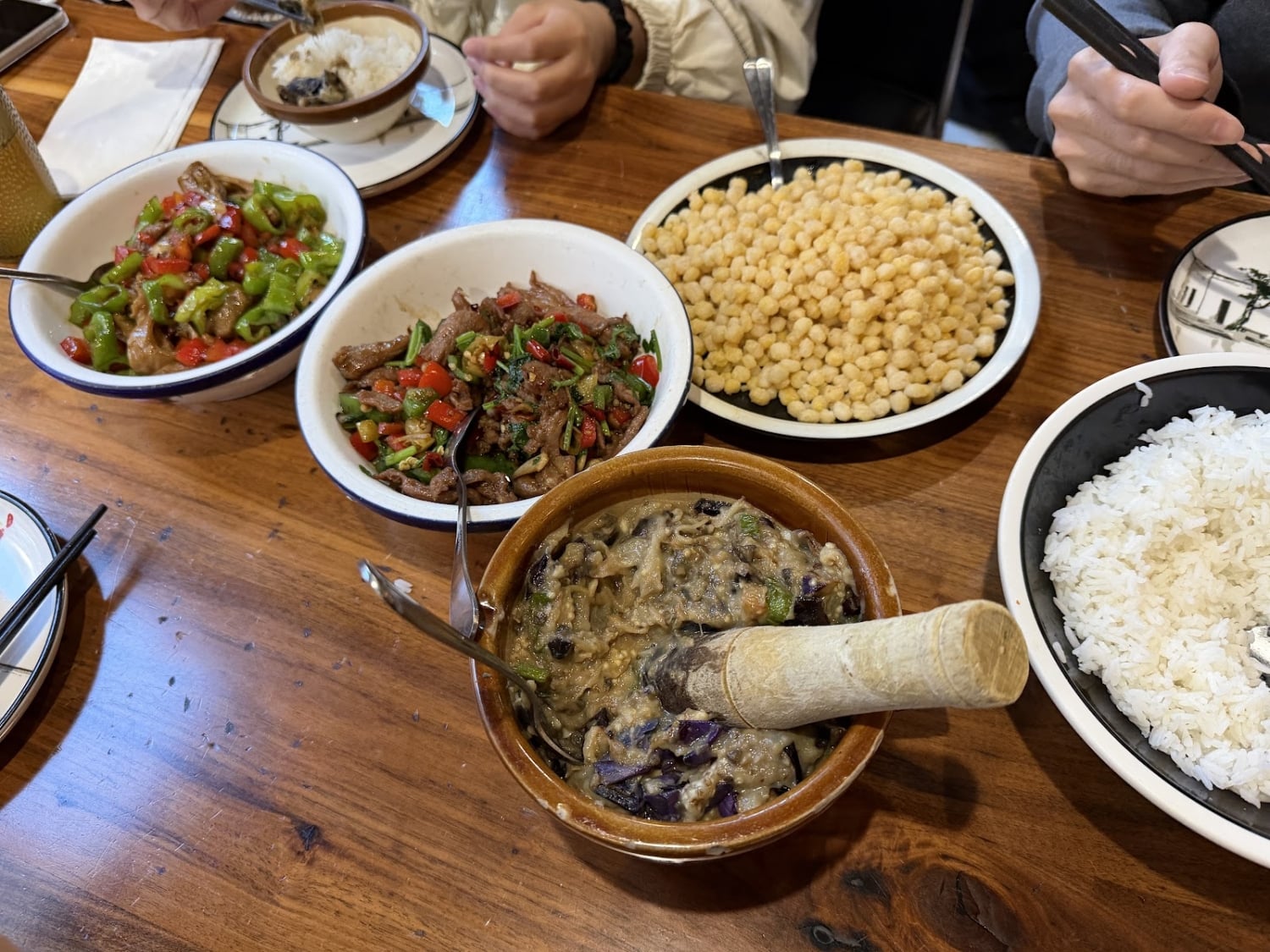
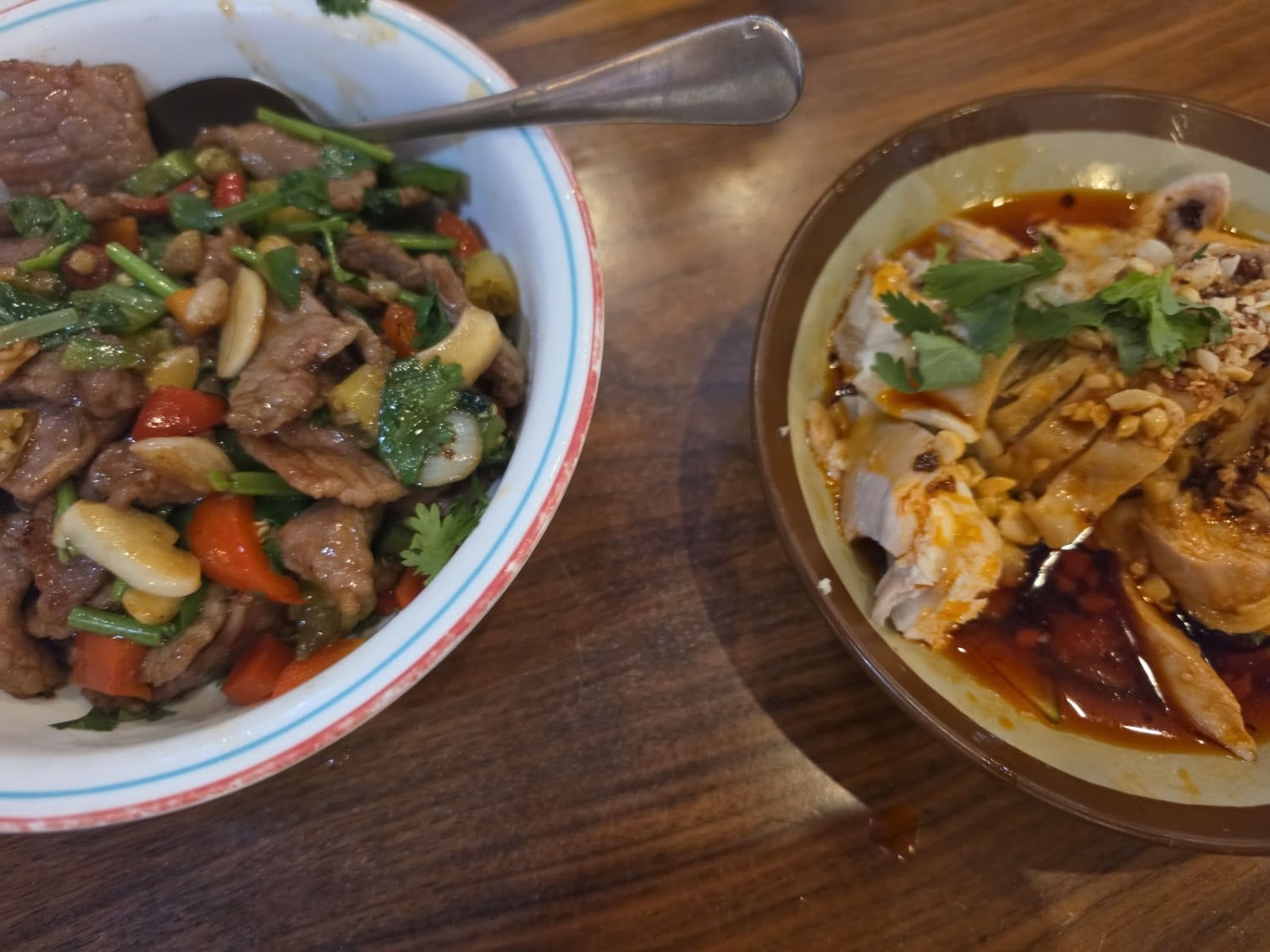
Hunan cuisine at 45 Beach St is a dining option centered on a regional style of Chinese cooking. The cuisine takes its name from Hunan, a province in south-central China, and is commonly associated with assertive seasoning, aromatic ingredients, and the use of fresh and dried chillies. Savory, sour, smoky, and spicy notes can all be part of the tradition, with dishes often built around layered flavor rather than a single dominant taste.
The style is distinct from a broad, catch-all idea of Chinese food. Hunan cooking is known for direct flavors and a lively balance of heat, fragrance, salt, and acidity. Garlic, ginger, scallions, and preserved or smoked ingredients are often important elements in the regional tradition. The result can suit diners who enjoy food with noticeable seasoning and a stronger chili presence, while the wider cuisine also includes preparations that are not defined only by heat.
For Boston diners, the address offers a convenient reference point for exploring Hunan-style cooking without treating the cuisine as interchangeable with other Chinese regional traditions. The setting, menu range, and service style are best considered through the specific visit, but the category gives the venue a clear culinary identity. It is an appropriate choice for diners looking for regional Chinese food rather than a general restaurant description.
Hunan cuisine can work for a range of dining occasions, including a casual meal, a shared meal built around several dishes, or a focused stop for those interested in regional Chinese flavors. Diners who are sensitive to chilli should ask about the seasoning of individual preparations, since heat levels can vary within the cuisine. Diners with dietary restrictions may also wish to check ingredients and cooking methods before ordering, particularly where sauces, preserved items, or shared preparation areas are involved.
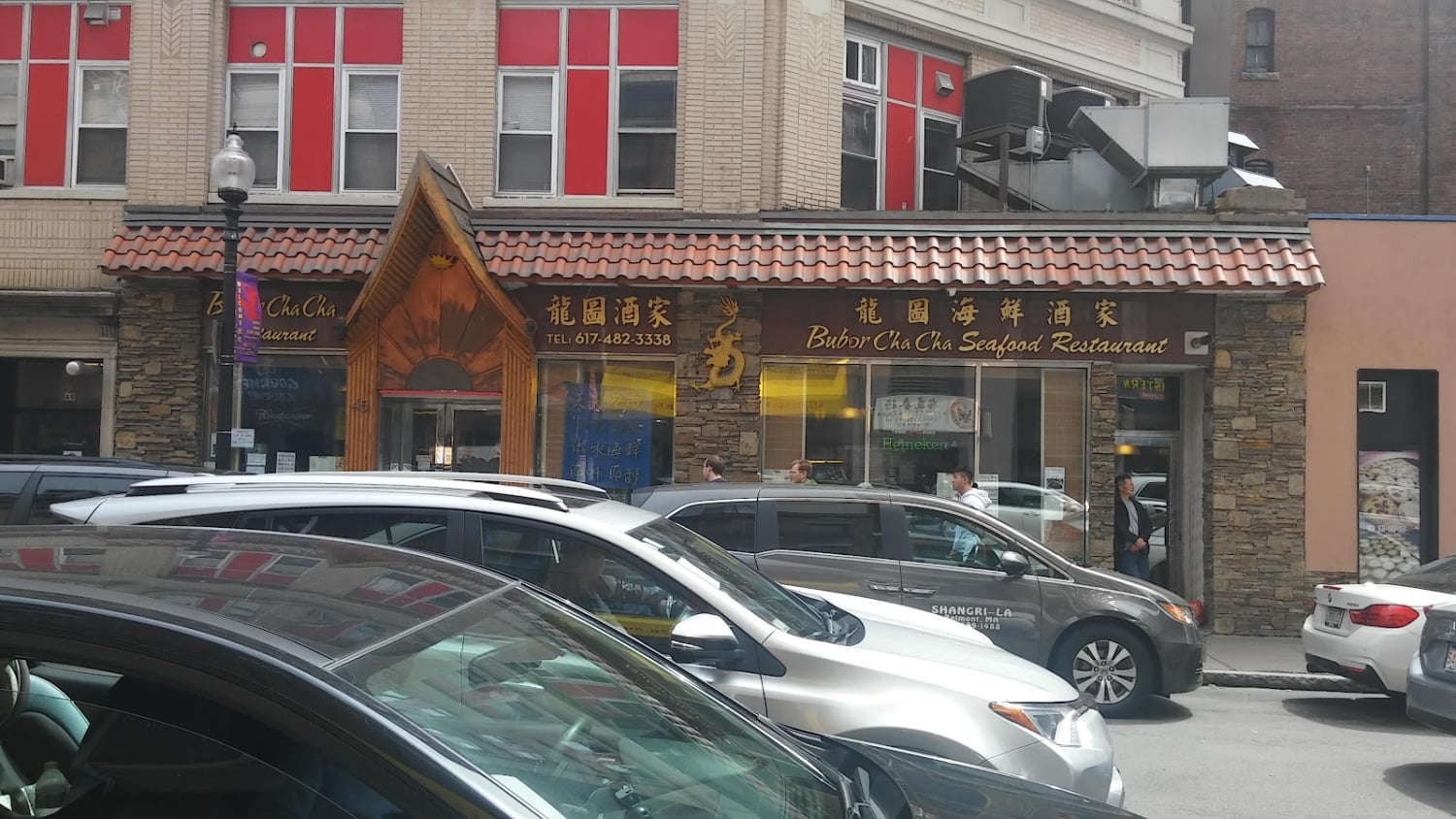
The venue is listed at 45 Beach St, Boston, MA 02111. Its clearest appeal is the Hunan culinary focus: a regional Chinese style with aromatic seasoning and a potential emphasis on spice. That concise identity makes the listing relevant for diners comparing regional cuisines, planning a meal around Chinese food, or seeking flavors beyond a general Cantonese, Sichuan, or American-Chinese category.