Clay Pot Cafe (旺角煲仔饭)
Boston
At a glance
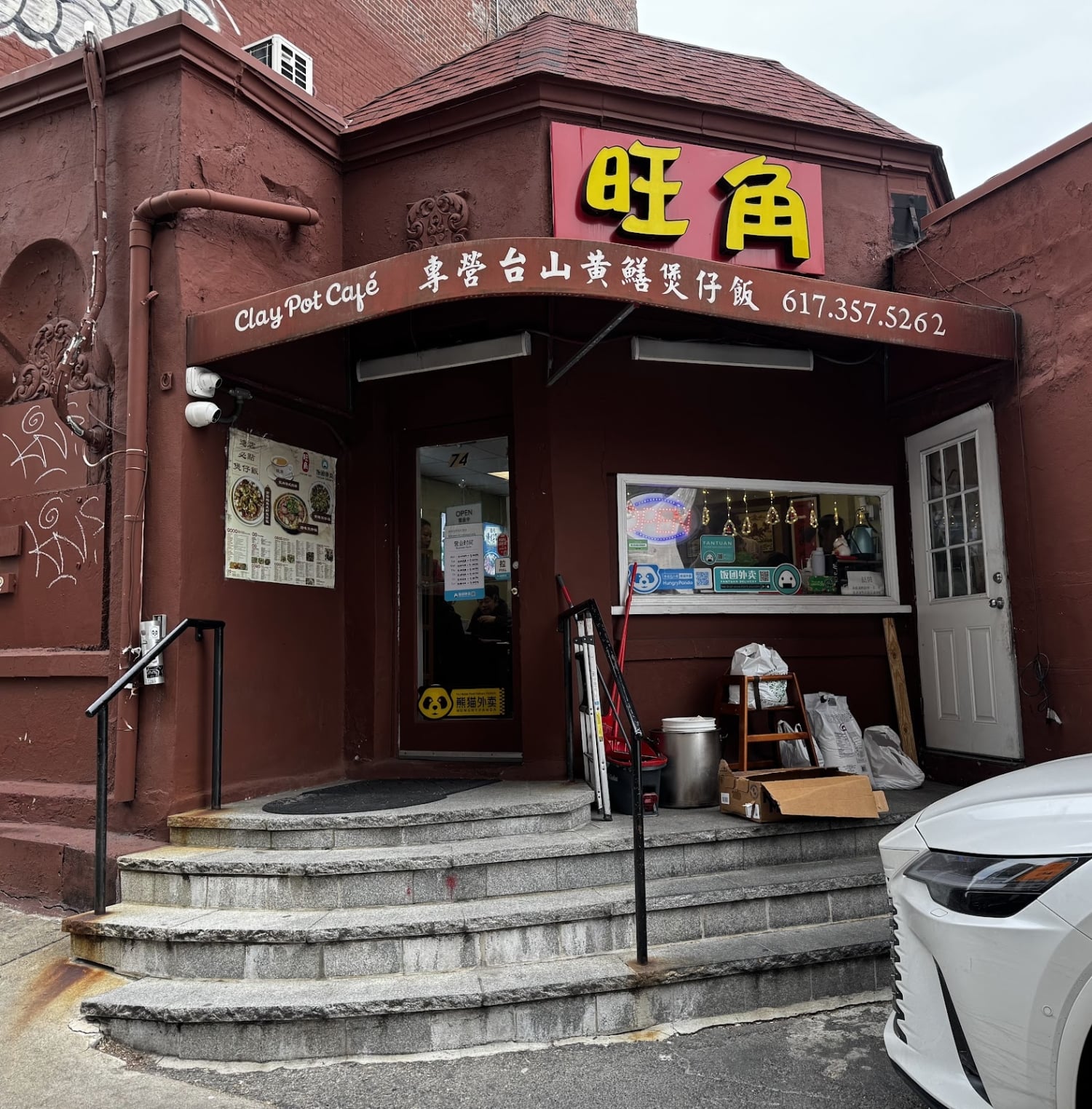
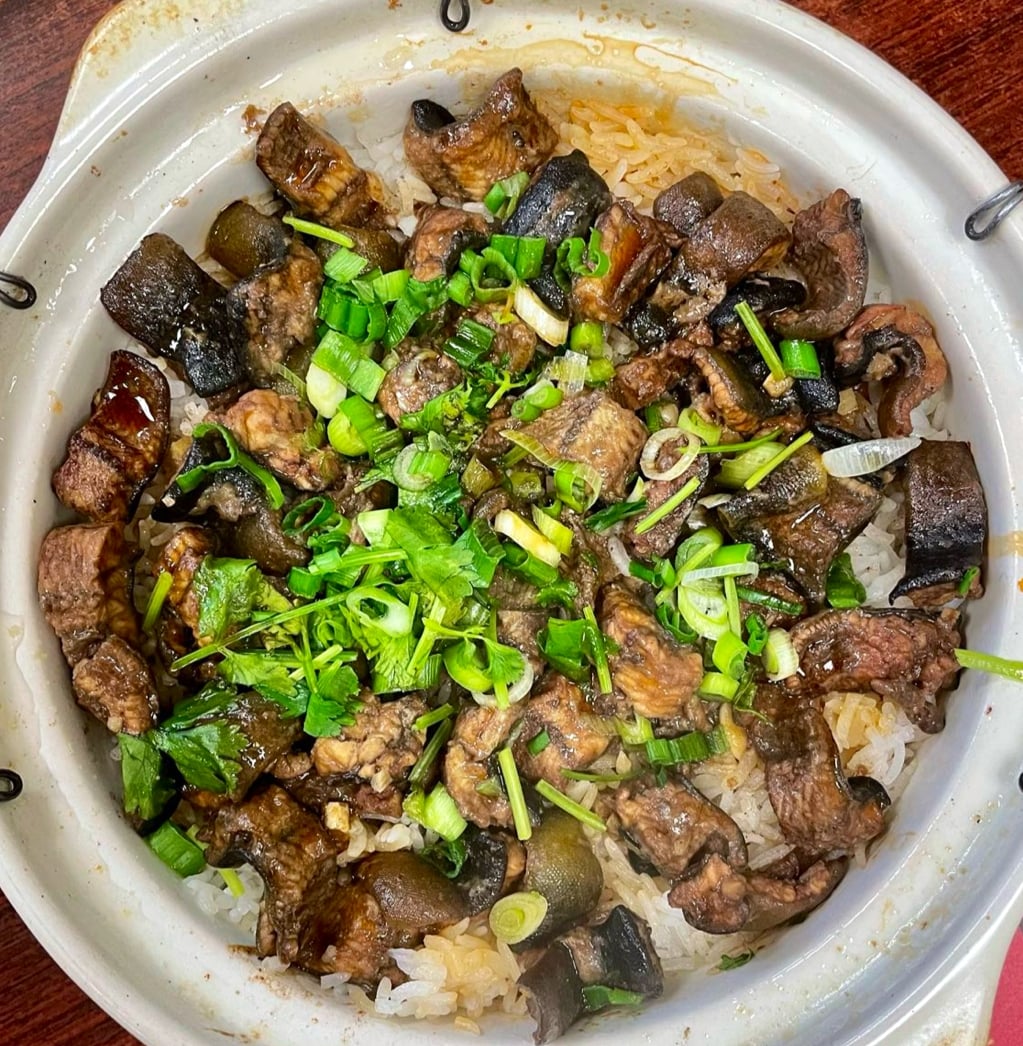
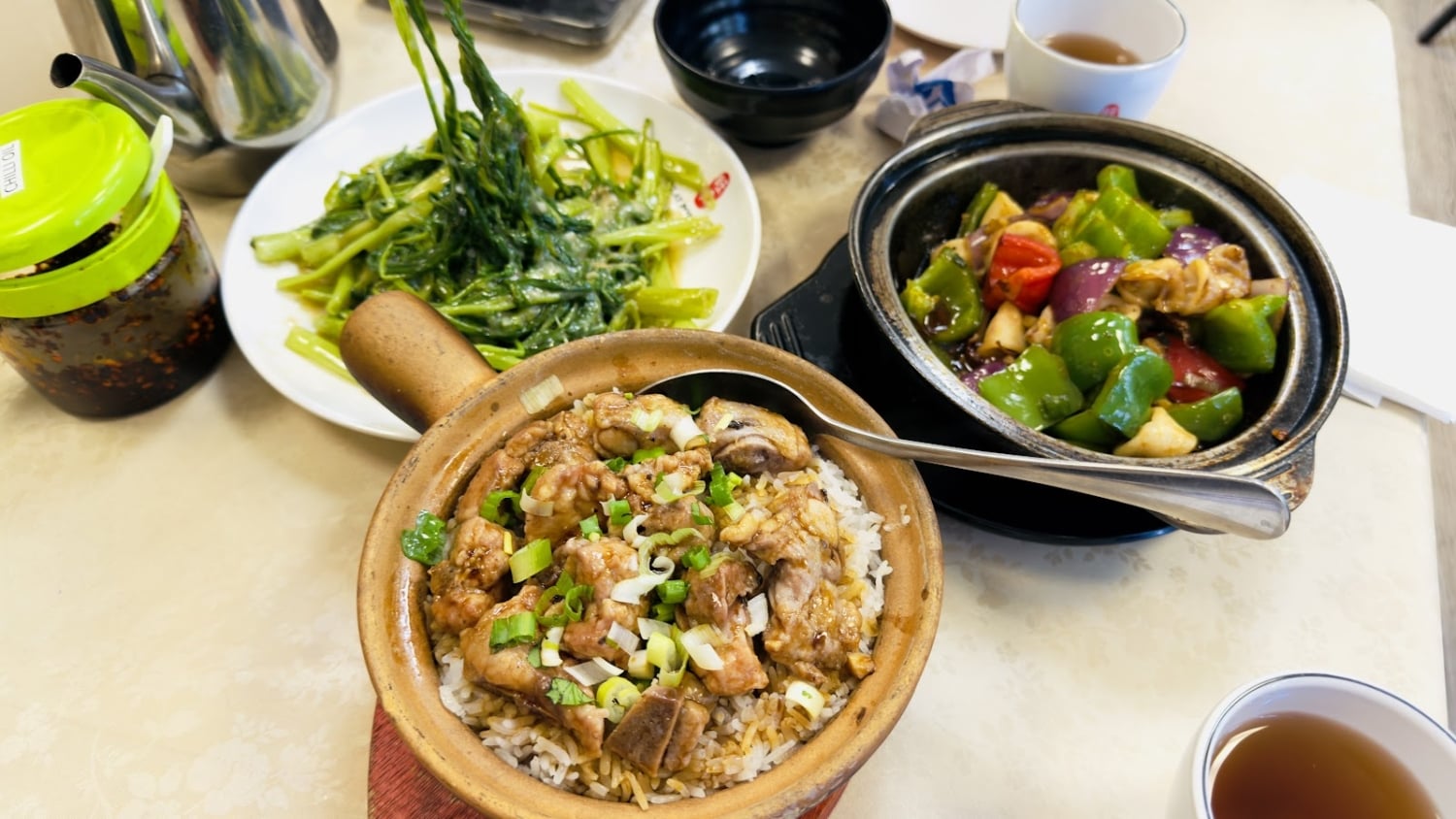
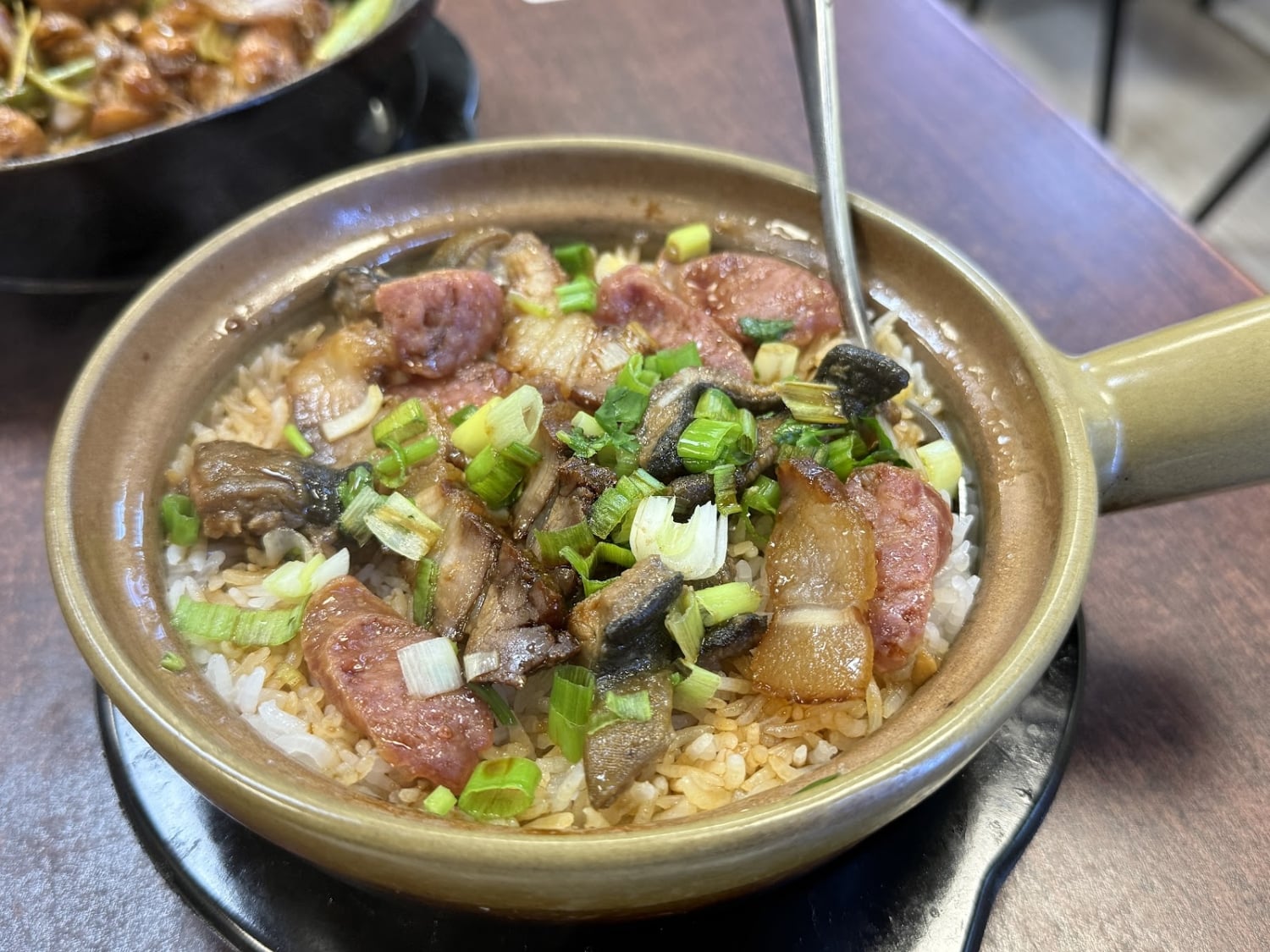
Clay Pot Cafe (旺角煲仔饭) is a clay pot rice cafe at 74 Kneeland St in Boston. Its English and Chinese names place clay pot rice at the center of the venue’s identity, giving diners a clear indication of the restaurant’s culinary focus without relying on a broad or undefined menu description.
Clay pot rice is a Chinese rice preparation associated with cooking rice in a clay vessel. The name reflects both the cooking style and the type of meal the cafe is intended to represent. This makes Clay Pot Cafe relevant to diners looking for a rice-centered Chinese meal rather than a general cafe experience. The Chinese name also references Mong Kok, a district name associated with Hong Kong, while the restaurant itself is located in Boston.
The venue’s defining idea is simple: clay pot rice presented as the central category. That focus may appeal to diners who already enjoy this style of Chinese cooking, as well as those looking for a meal organized around rice rather than a wide-ranging description of cuisines. The name does not identify individual ingredients, toppings, cooking times or preparation methods, so the restaurant is best described through its core format rather than through specific menu claims.
At its Kneeland Street address, Clay Pot Cafe offers a named destination for this particular style of food. The location places the cafe within Boston’s urban restaurant landscape, while the Chinese name gives the venue a distinct cultural and culinary reference. The combination of the English cafe name and the Chinese wording makes the concept legible to a broad range of diners, including people searching for clay pot rice by name.
Clay Pot Cafe suits diners who want to explore a focused Chinese rice specialty or return to a familiar clay pot rice format. It can also serve as a straightforward point of reference for anyone comparing restaurants by cuisine type. Questions about reservations, dietary needs, seating arrangements, outdoor service and group suitability should be confirmed with the cafe before a visit, since those practical details are separate from the venue’s stated culinary identity.